
The bottom line for 2026 is simple: with US auto tariffs pushing average new-vehicle transaction prices $8,000 to $12,000 higher than Q4 2024 levels, trading in your existing car is no longer an easy financial default. Decisive macro-economic shifts and rising auto loan interest rates have forced millions of drivers to keep their current vehicles on the road for as long as possible. The most profitable auto purchase you can make this year is avoiding one entirely—and with a rigorous car maintenance schedule 200k miles blueprint, pushing your vehicle past two decades or 200,000 miles is not only doable, but economically essential.
Historically, motorists treated 100,000 miles as the psychological threshold to trade in a vehicle. However, recent data surrounding keeping America's 12.8-year-old fleet running confirms that the national vehicle parc continues to reach historic ages. Drivers who actively manage fluid breakdown, thermal stress, and wear items are easily doubling that 100K benchmark without major mechanical failure.
Key Takeaways
| 2026 Reality | Primary Vehicle Threat | The 200K Solution |
| New Car Price Surge ($8K–$12K tariff spike) | Premature mechanical turnover due to neglected service | Shift from reactive repair to aggressive proactive fluid cycles |
| Severe Thermal Stress (Stop-and-go & heat) | Oil oxidation, GDI carbon buildup, thermal breakdown | 5,000-mile Full Synthetic oil changes & GDI intake cleanings |
| High Replacement Parts Costs | Transmission slip and differential shear | 40,000–50,000 mile drain-and-fill fluid flushes |
| Unplanned Breakdown Costs | Rust, suspension sag, and cooling system leaks | Annual undercoating, cooling flushes, and bush replacement |
The 2026 Price Shock: Why Repairing Beats Buying
The mathematics governing vehicle ownership altered dramatically entering 2026. Updated tariff structures on imported fully assembled vehicles, structural steel, and foreign-sourced components added thousands of dollars to dealership window stickers virtually overnight.
When faced with a $700-per-month car payment spanning 72 months, spending $1,200 on preventive engine and drivetrain maintenance becomes an obvious economic victory.
[2026 Vehicle Economics]
New Car Purchase: $48,000 average total outlay ($800+/mo loan commitment)
vs.
200K Mile Maintenance Routine: $1,200–$1,500 annual proactive maintenance
Result: $6,000+ net savings per year reinvested into family equity
To survive past the 150,000-mile barrier, you must understand that modern cars fail differently than vehicles from twenty years ago. Today's modern engines feature direct fuel injection (GDI), turbochargers, multi-clutch automatic or continuous variable transmissions (CVTs), and complex emissions recirculators. They run hotter, operate under higher internal pressures, and tolerate zero fluid neglect.
Phase 1: The 0 to 60,000-Mile Foundation (Preventing Early Wear)
Making a modern powertrain last 200,000 miles requires eliminating factory maintenance myths early on. The single largest myth in modern auto care is the concept of "lifetime fluids."
Automotive manufacturers define "lifetime" as the duration of the powertrain warranty—typically 60,000 to 100,000 miles. If you want your vehicle to cross 200,000 miles without a $6,000 transmission replacement, you must service these systems well before factory recommendations.
Core Maintenance Protocols for Phase 1:
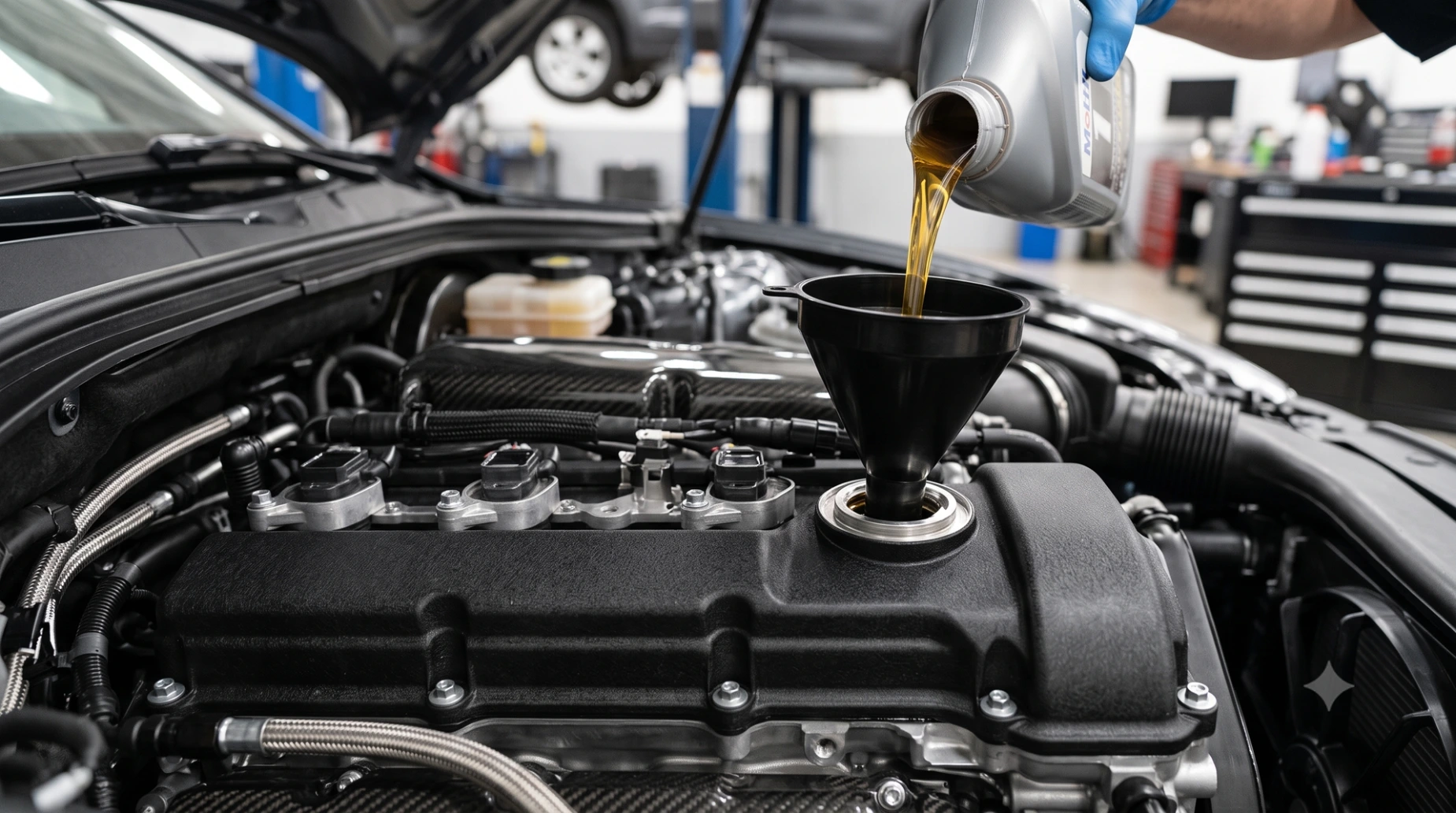
- Engine Oil & Filter: Execute full synthetic engine oil changes every 5,000 miles or 6 months. High-pressure direct-injection systems suffer from fuel dilution, which shears engine oil viscosity rapidly.
- Engine Air & Cabin Filters: Replace every 15,000 miles. A restricted intake filter forces modern turbochargers to work harder, generating excessive heat.
- Tire Rotations & Brake Inspection: Rotate tires every 5,000 to 7,500 miles. Inspect brake pads and calipers for uneven sliding wear.
- Cooling System Check: Inspect coolant pH and freezing/boiling protection limits annually.
Phase 2: The 60,000 to 120,000-Mile Critical Zone
The second phase of ownership determines whether your car becomes a money pit or a reliable asset. Between 60,000 and 120,000 miles, primary rubber components, electronic sensors, and factory fluids reach oxidation limits.
1. Transmission & Drivetrain Fluid Exchanges
Whether your vehicle utilizes a torque-converter automatic, dual-clutch, or CVT, fluid degradation causes clutch slippage and valve-body wear. Perform a fluid drain-and-fill every 45,000 to 50,000 miles. Never allow a shop to perform a high-pressure reverse flush on a high-mileage transmission, as this dislodges trapped debris into delicate hydraulic channels.
2. Direct-Injection Carbon Cleaning
GDI engines do not spray fuel over the back of the intake valves, leading to severe carbon buildup on valve stems over time. Perform a dedicated intake valve carbon cleaning every 40,000 to 60,000 miles to restore air velocity, engine idle smoothness, and fuel economy.
3. Spark Plugs & Ignition Coils
Replace iridium or platinum spark plugs at 80,000-mile intervals. Worn spark plugs increase resistance, placing heavy stress on ignition coils and causing subtle misfires that can destroy expensive catalytic converters.
4. Suspension & Steering Refresh
Dampers, strut mounts, and sway bar links typically degrade by 80,000 miles. Replacing worn shocks prevents secondary tire wear and preserves steering rack components. Knowing when car repairs stop making sense means tackling suspension wear early before it damages costly steering assemblies.
Phase 3: The 120,000 to 200,000-Mile Endurance Era
Once your vehicle crosses 120,000 miles, every maintenance task revolves around heat management, seal integrity, and friction reduction.
[The High-Mileage Maintenance Matrix]
120,000 Miles ➔ Radiator Hoses, Thermostat & Coolant Flush
140,000 Miles ➔ Accessory Belt Drive System (Belt, Tensioner, Idler Pulleys)
150,000 Miles ➔ Differential & Transfer Case Synthetic Gear Oil Replacement
160,000 Miles ➔ Oxygen Sensors & PCV Valve Replacement
180,000 Miles ➔ Brake Fluid Flush & Hydraulic Hose Inspection
High-Mileage Motor Oils
Transition to a high-mileage full synthetic motor oil containing extra seal conditioners and anti-wear additives (ZDP/Zinc compounds). These seal conditioners swell aging rubber valve stem seals and crankshaft seals, preventing micro-leaks before they start. Reviewing real-world 200,000-mile oil comparisons highlights how proper oil selection directly correlates with engine cleanliness and ring-land longevity.
Thermal & Regional Stress Mitigation
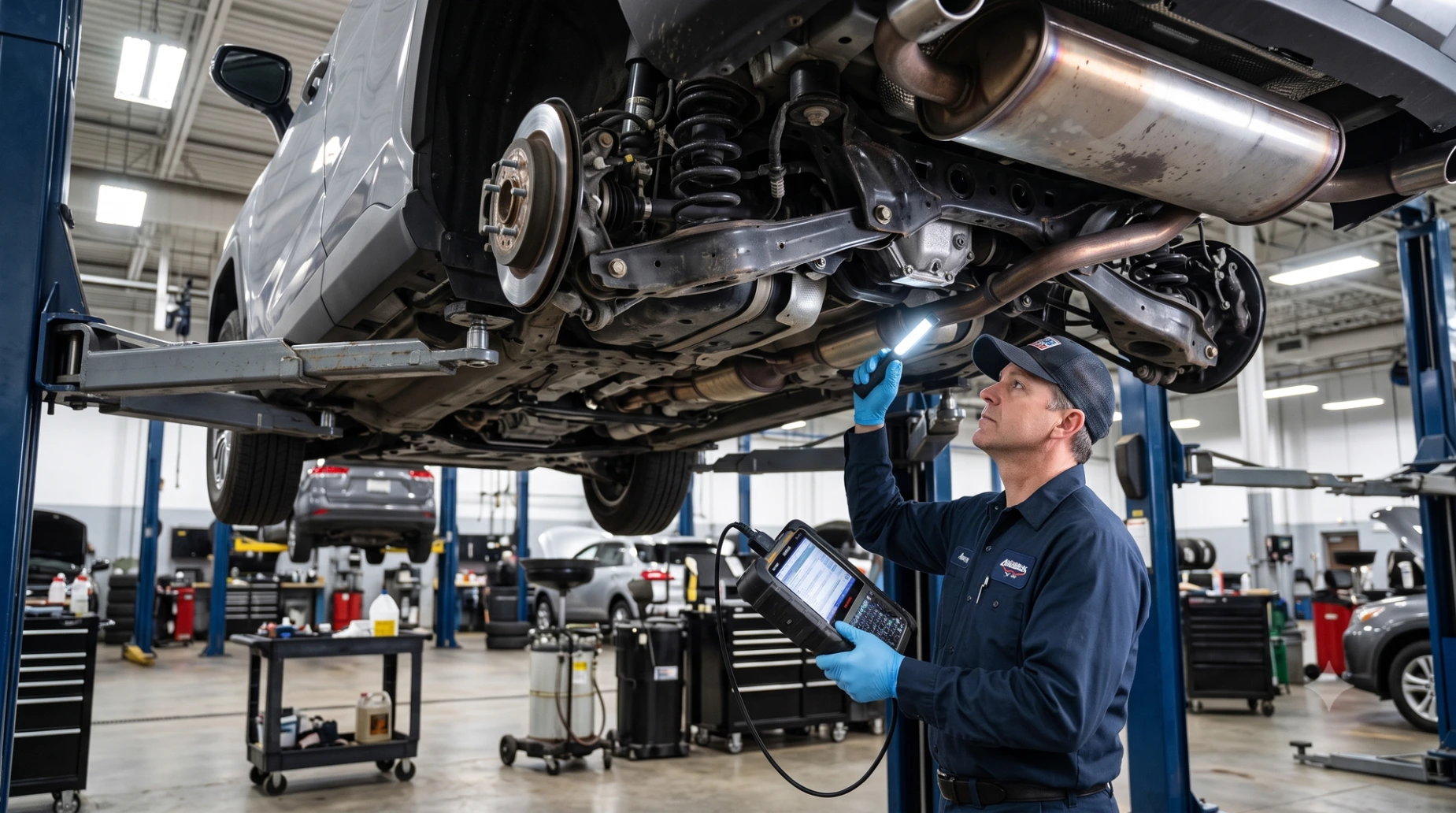
Regional environmental conditions play a massive role in vehicle breakdown. Vehicles operated in high-heat environments or dense city traffic require shorter fluid service intervals. Heat degrades electrical insulation, dries out rubber cooling hoses, and bakes brake fluid. If you reside in extreme heat or severe winter road-salt zones, adopting specialized regional maintenance undercoating and thermal battery care is mandatory to protect metal floor pans and electrical systems.
Localized Focus: Surviving Extreme Conditions & Traffic
For drivers operating in demanding climates—such as the intense heat and dust of Egypt and the Middle East—the 200,000-mile goal demands tailored precautions:
- Air Filtration in Dusty Climates: Fine sand particles act like liquid sandpaper inside engine cylinders if air filters are neglected. Check intake filters monthly.
- Cooling System Pressure Integrity: Extreme ambient temperatures demand flawless cooling performance. Replace thermostats and pressure caps every 5 years regardless of mileage.
- Battery Shielding: Extreme under-hood heat bakes lead-acid batteries. Ensure heat shields remain installed and clean terminals during every oil service.
Frequently Asked Questions (FAQ)
Is it really worth keeping a car past 150,000 miles with 2026 repair costs?
Yes. With new vehicle transaction prices up $8,000 to $12,000 due to tariffs, major repairs like a $2,500 transmission service or a $1,000 suspension refresh remain vastly cheaper than taking on years of auto loan interest and depreciation.
How often should I change transmission fluid if I want my car to hit 200K miles?
Change transmission fluid via a gentle drain-and-fill procedure every 45,000 to 50,000 miles. Avoid aggressive reverse-flushes on older transmissions, as high pressure can dislodge friction material and clog internal hydraulic control valves.
Do high-mileage motor oils actually work or are they marketing hype?
High-mileage motor oils are genuinely effective. They contain chemical seal conditioners that re-hydrate hardening rubber gaskets, along with elevated anti-wear additives and detergents that clean piston ring lands and prevent oil consumption in engines over 75,000 miles.
What is the single most common reason engines fail before 200,000 miles?
Cooling system failure. While drivers focus on oil changes, a broken thermostat, degraded coolant hose, or leaking water pump can cause sudden overheating, warping aluminum cylinder heads and destroying head gaskets in minutes.
Written by Wassim Bedwani — CEO & Founder, GE for Trading. Expert in Automotive Lubricants and Part Distribution.
Don't Miss Our Next Technical Guide
Sign up for expert lubricant breakdowns, machinery maintenance tips, and spare parts sizing guides.