
The Geography of the Aging American Fleet
When discussing the longevity of the American car parc, national averages only tell a fraction of the story. While the average age of a light vehicle in the United States has hit a record 12.8 years, as detailed in our recent deep-dive into the record-breaking 12.8-year-old fleet, vehicle aging does not occur uniformly across the country.
Depending on where you live, environmental stressors dictate an entirely different set of mechanical challenges. Data from S&P Global Mobility reveals massive regional variations in vehicle age: states in the Northern Plains, the Northwest, and Southern states like Mississippi and Alabama are seeing higher-than-average vehicle ages. Montana leads the entire nation, boasting an average vehicle age that is more than five years older than the national average. Conversely, states like Colorado and Hawaii are seeing their vehicle fleets age at a much slower pace.
"The macro trend for average age may not correlate with what consumers see in their community, as aging rates can vary significantly from region to region," notes Todd Campau, Aftermarket Practice Lead at S&P Global Mobility.
As consumers hold onto their vehicles longer due to elevated new car prices and high interest rates, adopting a "regional maintenance mindset" is critical. A maintenance schedule designed for a dry, temperate climate will completely fail a vehicle operating in the snowy, salt-covered Rust Belt or the scorching, sun-baked Sun Belt. This comprehensive guide breaks down the location-specific aftermarket upgrades and maintenance routines required to push your vehicle past the 200,000-mile mark.
The Northern Plains & The Rust Belt: Defeating Corrosion
For drivers in the Northeast, the Midwest, and the Northern Plains, the primary enemy of vehicle longevity is not mileage—it is chemistry. The heavy application of corrosive road salt and liquid brine solutions used to de-ice winter roads causes rapid oxidation of bare steel and aluminum components.
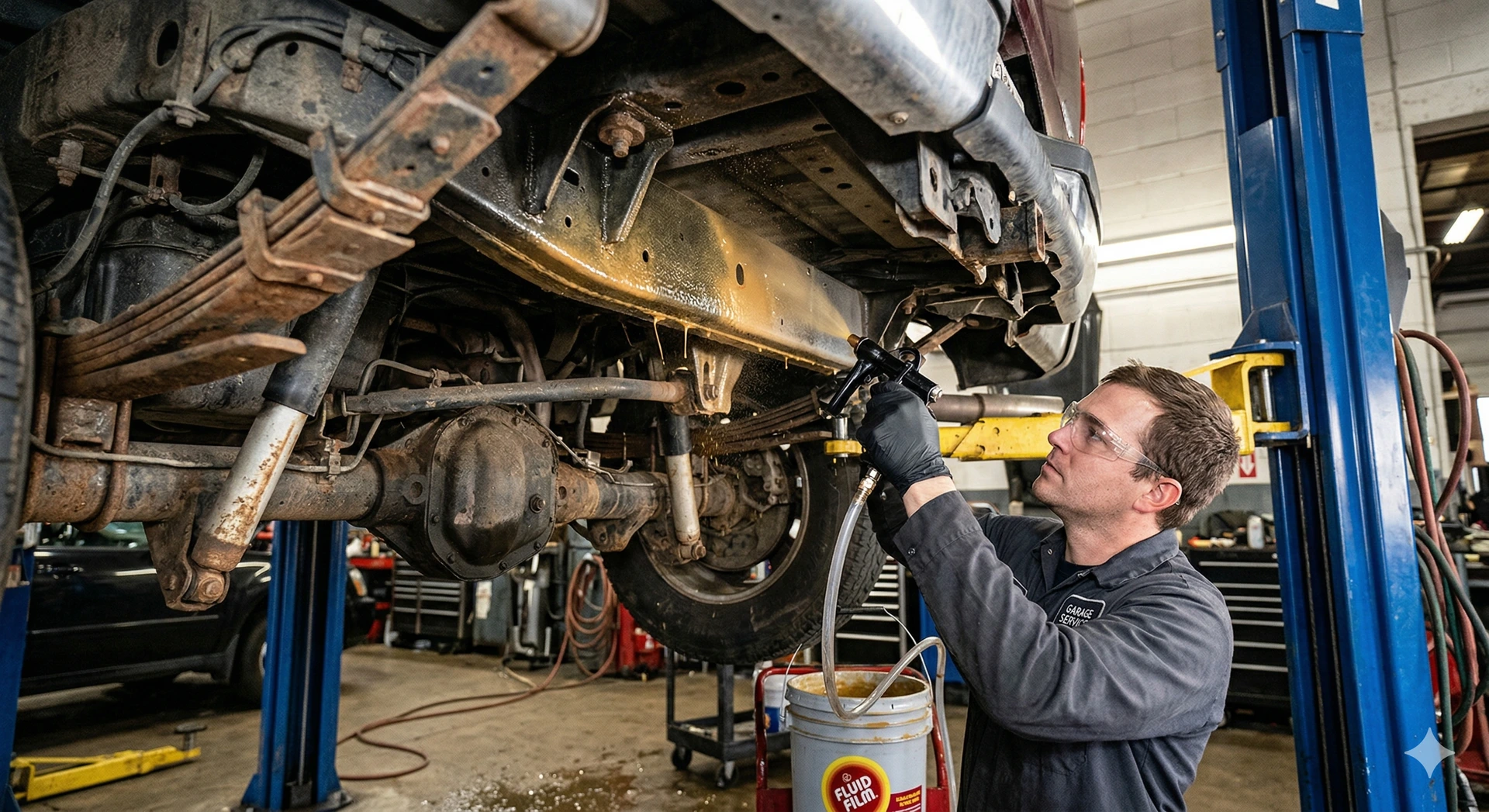
If left unchecked, winter salt will literally eat a vehicle from the bottom up, rotting out steel frame rails, seizing brake caliper slider pins, and destroying exhaust systems. With search traffic for "Underbody Undercoating" and "Rust Inhibitor" surging in states where vehicles are aging rapidly (like North Dakota), proactive chassis protection is mandatory.
The Solution: Lanolin-Based Undercoatings
Historically, dealerships sold "rubberized" undercoatings. However, proactive DIY mechanics have learned that rubberized coatings can actually trap moisture against the frame, accelerating hidden rot.
The modern aftermarket standard for Rust Belt survival is the annual application of lanolin-based rust inhibitors, such as Fluid Film or CRC Heavy Duty Corrosion Inhibitor. Derived from sheep's wool, lanolin is a thick, self-healing wax that never fully dries or cracks. It actively creeps into the microscopic pores of the metal frame and suspension welds, creating an impenetrable barrier against saltwater. Applying a fresh coat to your vehicle's undercarriage every autumn will chemically halt existing rust and prevent new oxidation from forming.
Protecting Sensitive Hybrid Components (RAV4 "Cablegate")
Winter salt doesn't just attack steel; it wreaks havoc on sensitive electrical components. For example, owners of the highly popular Toyota RAV4 Hybrid frequently discuss 'Cablegate'. This vulnerability is a primary focus of our hybrid maintenance bridge guide, which outlines how to protect these multi-thousand-dollar electrical systems from environmental failure.
If you drive a modern hybrid or EV in the Rust Belt, you must actively protect these exposed connections. Packing external electrical connectors with heavy Dielectric Grease or spraying them with a targeted corrosion inhibitor prevents conductive saltwater from shorting out multi-thousand-dollar hybrid systems.
The Sun Belt & Extreme Heat: Battery Survival
While Northern drivers battle rust, drivers in the Sun Belt—stretching from Southern California through Texas to Florida—face an entirely different, invisible threat: extreme, sustained heat. High ambient temperatures act as a catalyst for chemical degradation, dramatically shortening the lifespan of automotive components, particularly the 12-volt battery system.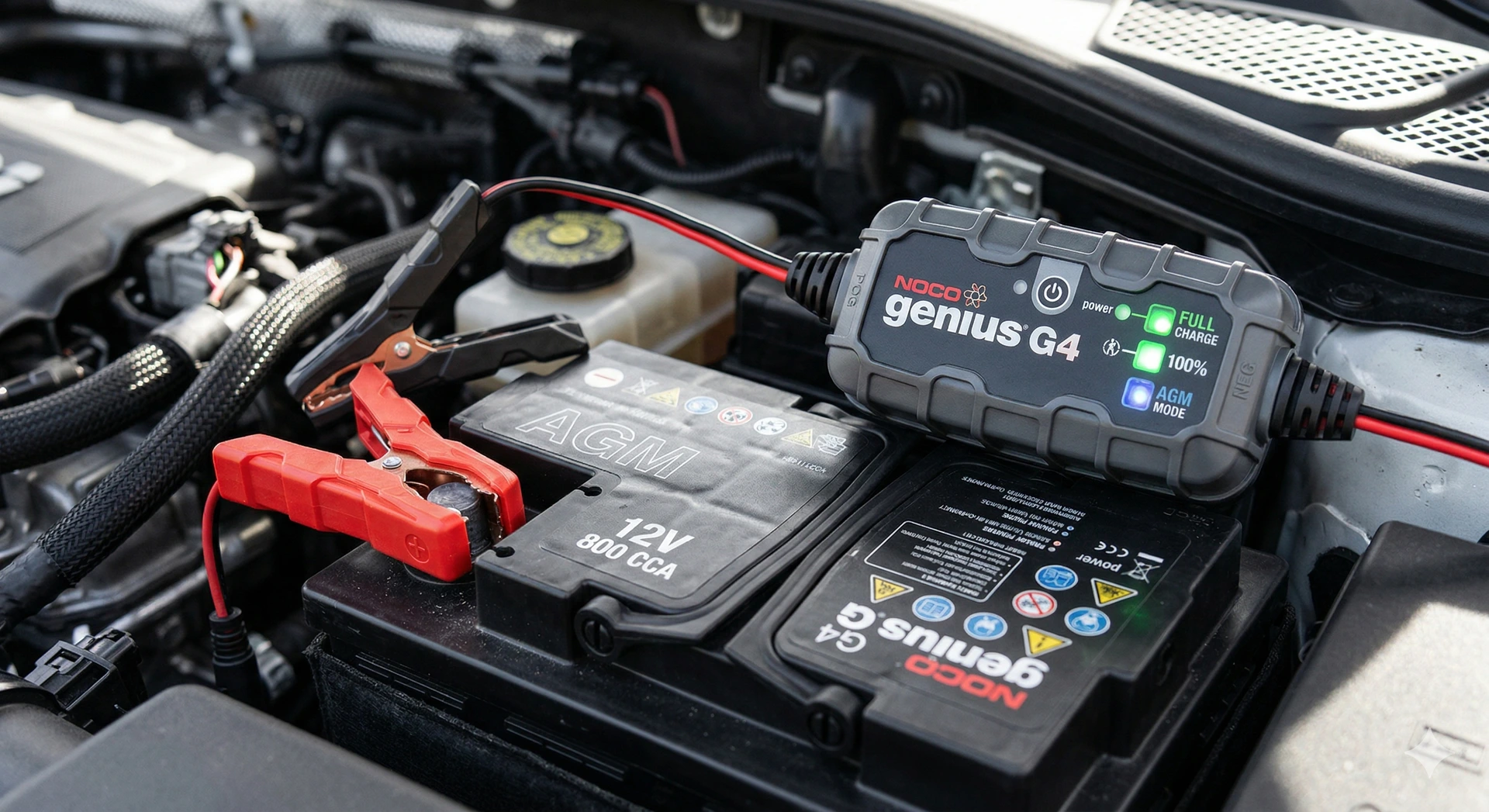
Under a hot Texas or Florida sun, the temperatures under a vehicle's hood can easily exceed 200°F. This intense heat causes the liquid electrolyte inside a standard lead-acid battery to evaporate, while the internal lead grids rapidly sulfate and degrade. While a car battery might last five years in a temperate climate, Sun Belt drivers often find themselves stranded with a dead battery in just two to three years.
The Parasitic Drain Dilemma (Ford F-150 Issues)
This heat-related degradation is currently being massively compounded by the electrical demands of modern vehicles. The Ford F-150—America's best-selling vehicle—is a prime example. Understanding these electrical demands is a key part of choosing the best replacement parts for your F-150, ensuring your truck’s charging system can handle the parasitic loads of modern technology. Owners frequently experience dead batteries due to the truck's Battery Management System (BMS) logic, which is programmed to only charge the battery to an 80% state of charge.
Combined with the massive parasitic power draw of connected features, massive infotainment screens, and remote modems, drivers with short 15-to-20-minute daily commutes find their alternators simply do not run long enough to replenish the battery.
The Solution: AGM Upgrades and Smart Chargers
To survive extreme heat and heavy electrical loads, regional maintenance dictates two specific upgrades:
Upgrade to an AGM Battery: When your factory lead-acid battery dies, replace it with an Absorbent Glass Mat (AGM) Battery. AGM batteries are entirely sealed, meaning their internal electrolytes cannot evaporate in extreme heat. They also handle deep electrical discharges significantly better than traditional batteries.
Utilize a Smart Battery Maintainer: If you have short commutes or leave your vehicle parked for several days, the heat and parasitic drain will kill your battery. Investing in a smart trickle charger, such as the NOCO Genius Smart Charger, is essential. Plugging your vehicle in overnight once or twice a month ensures the battery reaches a true 100% state of charge, desulfating the internal plates and doubling the battery's lifespan.
Regional Tire Selection: All-Terrain vs. Highway Terrain
With utility vehicles (SUVs) and pickup trucks now accounting for over 60% of the American fleet, the tires you choose are heavily dependent on your geography. In fact, "All-Terrain vs. Highway Terrain Tires" is a highly searched topic among truck and SUV owners looking to optimize their vehicle's performance.
For the Northern/Mountain Regions: If you face heavy snow and frequent unpaved roads, upgrading to a premium All-Terrain (A/T) Tire equipped with the "3-Peak Mountain Snowflake" rating is crucial. These tires feature aggressive tread blocks and specialized silica compounds that remain pliable in sub-zero temperatures, offering superior traction over standard all-season tires.
For the Southern/Sun Belt Regions: If you strictly drive on hot, paved highways, heavy A/T tires are a detriment. They reduce fuel economy, increase road noise, and wear down incredibly fast on 100-degree asphalt. Sun Belt drivers should stick to premium Highway Terrain (H/T) Tires, which offer a harder compound designed to resist heat degradation and provide a whisper-quiet ride.
Climate Control and Interior Preservation
Finally, regional climates dramatically affect a vehicle's interior and HVAC systems. As vehicles approach that 12.8-year average age mark, preserving the cabin becomes a major priority.
Sun Belt Cabin Protection: UV degradation will crack dashboards, fade leather, and turn interior plastics brittle. Regional maintenance requires high-quality, custom-fit Windshield Sunshades and the application of UV-protectant interior detailers. Furthermore, ensuring your Air Conditioning system is fully charged and changing your cabin air filter frequently ensures the blower motor doesn't have to work overtime to cool the car.
Rust Belt Heater Core Care: In the north, a failing heater core means a freezing cabin and a foggy windshield. Flushing your engine's coolant every 60,000 miles is critical to prevent scale buildup from clogging the tiny passages of the heater core, ensuring you have blazing hot air when the temperature drops below zero.
Conclusion: Tailoring Your Maintenance Strategy
Keeping a vehicle running smoothly past the 150,000-mile mark requires more than just following the generic manual in your glovebox; it requires understanding the environment your vehicle operates in. By actively protecting your chassis and managing your regional stressors, you can successfully navigate the aftermarket 'sweet spot'. Incorporating these steps into a proactive automotive maintenance checklist is the ultimate way to protect your investment for decades to come.
Recommended Amazon USA Products for Regional Maintenance
(Note: As specific Amazon ASINs frequently change, the secure links below will direct you to the exact search queries to find the current best, top-rated listings for these climate-specific automotive upgrades).
Fluid Film Rust Inhibitor Undercoating (Mandatory for Vehicles Aging in the Rust Belt)
NOCO Genius Smart Battery Charger (Essential for Fixing F-150 Parasitic Drain and Heat Wear)
Permatex Dielectric Grease (Protects Hybrid Cables and Connectors from Saltwater)
Custom Fit Windshield Sunshades (Prevents UV Dashboard Cracking in the Sun Belt)
EPAuto Premium Cabin Air Filters (Maximizes HVAC Airflow in Extreme Temperatures)
As an Amazon Associate, GE for Trading earns from qualifying purchases. This means we may receive a small commission at no extra cost to you if you use the links below to support our expert research.