
ILSAC GF-6A vs GF-6B vs GF-7: Low Viscosity Oil Guide
What is the difference between ILSAC GF-6A, GF-6B, and GF-7 engine oils?
The main difference is that ILSAC GF-6A is a backward-compatible standard for traditional oil viscosities (like 5W-30), while GF-6B is a strictly non-backward-compatible standard created exclusively for ultra-thin 0W-16 oils. The newest standard, ILSAC GF-7, launched in March 2025, builds upon these by offering superior aged-oil protection and supporting even thinner 0W-8 and 0W-12 viscosities for modern hybrid engines.
For decades, upgrading your engine oil standard was a straightforward process. When a new category launched, it simply superseded the old one. However, the push for extreme fuel efficiency and modern engine designs led to an unprecedented split in the ILSAC GF-6 standard, paving the way for the highly advanced GF-7 standard.
Why did ILSAC split the GF-6 standard into A and B?
ILSAC split the GF-6 standard in 2020 because modern engines required two completely different solutions. GF-6A updated traditional viscosities to fight Low-Speed Pre-Ignition (LSPI) in turbocharged engines, while GF-6B was created exclusively to accommodate the new, water-thin SAE 0W-16 viscosity that could not be measured using traditional testing parameters.
Automakers were mass-producing Turbocharged Gasoline Direct Injection (TGDI) engines to meet strict emissions targets. These engines developed a fatal flaw known as LSPI—a premature explosion that causes severe engine knocking, bent connecting rods, and shattered pistons. Simultaneously, automakers like Toyota and Honda were developing engines with clearances so tight that traditional 5W-30 or 0W-20 oils were too thick to lubricate them efficiently.
What are the specifications for ILSAC GF-6A and GF-6B?
ILSAC GF-6A covers standard viscosities (0W-20 to 10W-30) and is fully backward compatible, identified by a "Starburst" symbol on the bottle. ILSAC GF-6B exclusively covers 0W-16 oil, is NOT backward compatible, and uses a "Shield" symbol to prevent accidental engine damage in older vehicles.
- GF-6A Key Protections: Introduced chemical formulations to prevent fresh-oil LSPI and utilized the Sequence X engine test to measure and prevent timing chain wear.
- GF-6B Key Protections: Provides the exact same LSPI and timing chain protections as GF-6A, but does so in a water-thin fluid engineered for modern ultra-tight clearances.
What are the benefits of the new 2025 ILSAC GF-7 standard?
The new ILSAC GF-7 standard drastically improves engine protection by offering aged-oil LSPI defense, tightening timing chain wear limits to 0.080mm, and restricting sulfated ash to 0.9% to protect exhaust filters. It also officially supports ultra-thin 0W-8 and 0W-12 viscosities.
As automotive expert Wassim Bedwani notes, GF-7 brings massive upgrades to address the new thermal stresses of modern powertrains. The standard maintains the viscosity split (GF-7A and GF-7B) but introduces several groundbreaking advancements:
- Aged-Oil LSPI Protection: GF-7 utilizes a rigorous new Sequence IX test to guarantee the oil suppresses LSPI events even after thousands of miles of driving as the oil degrades.
- GPF Defense: By mandating a strict limit on "sulfated ash" (maximum 0.9%), GF-7 prevents the permanent clogging of Gasoline Particulate Filters (GPFs), saving owners thousands in exhaust repairs.
- Tighter Wear Limits: It drops the allowable wear limit for timing chains from the GF-6 limit of 0.085mm down to 0.080mm.
- Paving the Way for 0W-8 and 0W-12: GF-7 was engineered specifically to support the mass-market introduction of ultra-low viscosities to maximize fuel efficiency in modern hybrid engines.
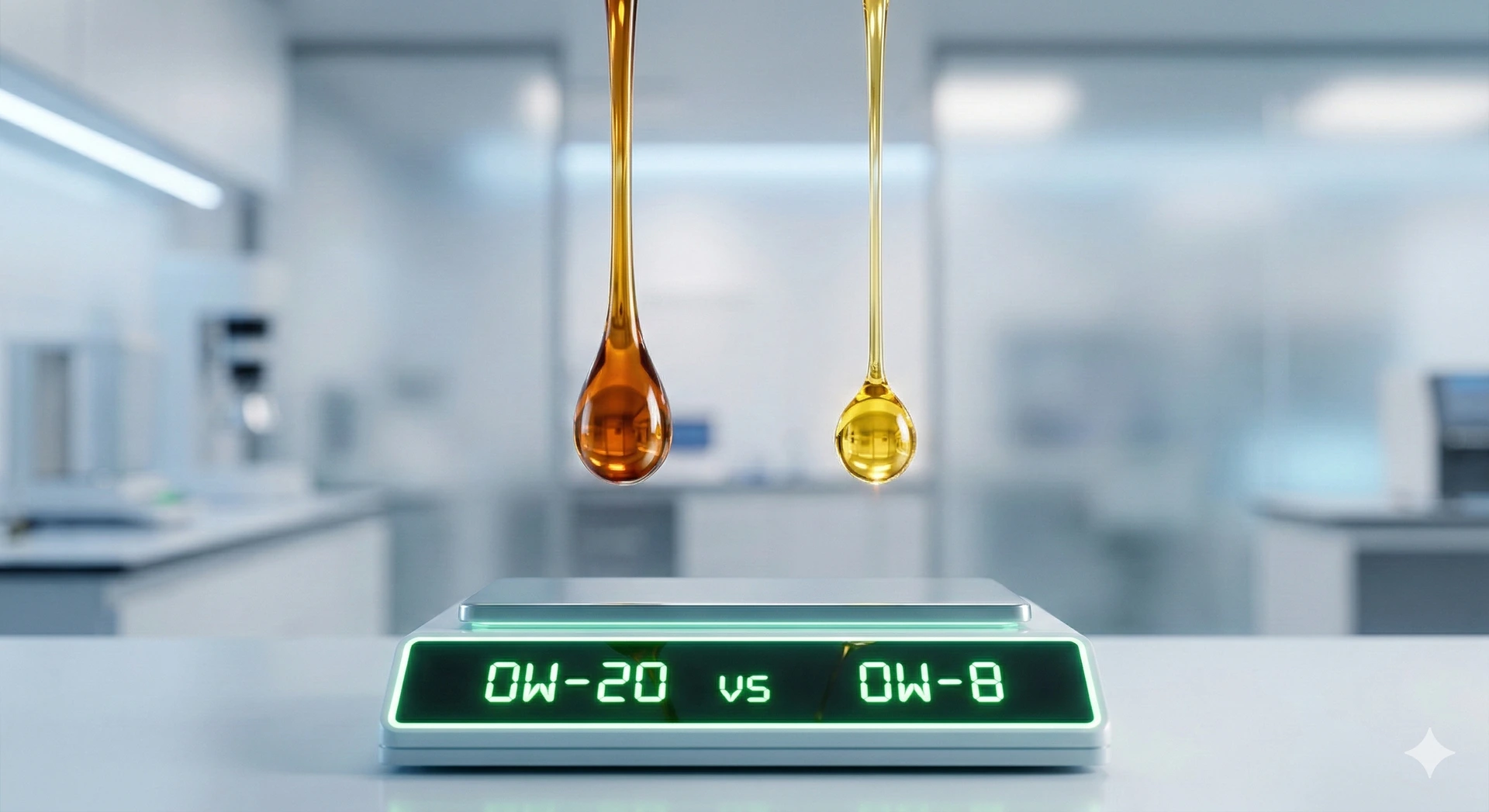
ILSAC GF-6 vs. GF-7 Comparison Table
| Specification | Viscosity Grades | Identification Symbol | Backward Compatible? | Primary Focus & Upgrades |
|---|---|---|---|---|
| ILSAC GF-6A | 0W-20, 5W-20, 5W-30, 10W-30 | Circular Starburst | Yes (Replaces GF-5, GF-4) | Fresh-oil LSPI protection; timing chain wear defense. |
| ILSAC GF-6B | 0W-16 Only | Shield Symbol | No (Only for 0W-16 engines) | Same protections as GF-6A, engineered for ultra-thin flow. |
| ILSAC GF-7A | 0W-20, 5W-20, 5W-30, 10W-30 | Circular Starburst | Yes (Replaces GF-6A, GF-5) | Aged-oil LSPI protection; tighter wear limits; GPF defense. |
| ILSAC GF-7B | 0W-16 Only | Shield Symbol | No (Replaces GF-6B only) | Aged-oil LSPI and GPF defense for ultra-thin 0W-16 applications. |
Frequently Asked Questions about Low-Viscosity Engine Oils
What happens if I accidentally put a GF-6B (0W-16) oil into an older car that requires GF-6A (5W-30)?
You must drain it immediately. GF-6B oils are significantly thinner, and in an engine designed with wider clearances, the oil film will break down under load, leading to rapid metal-on-metal contact, severe bearing wear, and eventual engine failure.
Are ILSAC GF-7 oils currently available, and should I upgrade?
Yes, ILSAC GF-7 officially launched in March 2025 and is widely available. If your vehicle requires a GF-6A or GF-5 oil, upgrading to GF-7A is highly recommended for better defense against sludge, less timing chain wear, and improved fuel economy over your oil change interval.
Can I mix GF-6A and GF-7A oils if I need to top off my engine?
Yes, because GF-7A is fully backward compatible with GF-6A, the oils can be mixed safely. However, mixing them dilutes the advanced additive package of the GF-7A oil, meaning you won't get the full benefit of the aged-oil LSPI protection.
Which engine oil standard is best for hybrid vehicles? You should look for the newest ILSAC GF-7 standard in the specific viscosity your manual recommends. Hybrids place unique stress on engine oil due to constant starting and stopping, and GF-7 was specifically engineered with modern hybrid powertrains in mind.
Why do ultra-thin 0W-8 and 0W-12 oils exist? Ultra-thin oils exist to eliminate internal engine "parasitic drag"—the resistance parts face when moving through thick oil. Oils like 0W-8 flow with virtually zero resistance, allowing the engine to extract maximum kinetic energy from fuel to meet extreme fuel economy and zero-emissions targets.
This article is part of our Engine Oil Master Guide in Egypt—If you are still confused about the circular 'Starburst' logo on your oil bottle, start with our introductory guide to ILSAC specifications.