
Introduction
Bosch spark plugs are the gold standard in ignition technology, offering unmatched reliability and performance. Proper maintenance of Bosch spark plugs is essential to keep your engine running efficiently and to maximize their lifespan. Neglecting spark plug care can lead to reduced fuel efficiency, engine misfires, and costly repairs. In this guide, we’ll explore expert tips for maintaining Bosch spark plugs, helping car owners like you achieve optimal engine performance.
Why Maintaining Bosch Spark Plugs is Essential
Your Bosch spark plugs are vital for igniting the air-fuel mixture in your engine, directly impacting your car's performance. Here’s why regular maintenance is crucial:
- Enhanced Fuel Economy: Clean and properly gapped spark plugs improve combustion efficiency, reducing fuel consumption.
- Improved Engine Performance: Properly maintained Bosch spark plugs ensure smoother acceleration and reliable starts.
- Prolonged Spark Plug Lifespan: Routine care reduces wear and tear, saving you money in the long run.
Signs Your Bosch Spark Plugs Need Maintenance
Recognizing the symptoms of spark plug wear helps you address issues before they worsen. Keep an eye out for:
- Hard Starts: Struggling to start your car may indicate fouled or worn spark plugs.
- Engine Misfires: A rough idle or jerky performance often points to spark plug issues.
- Poor Gas Mileage: Decreased fuel efficiency can result from inefficient combustion.
Tools Needed for Bosch Spark Plug Maintenance
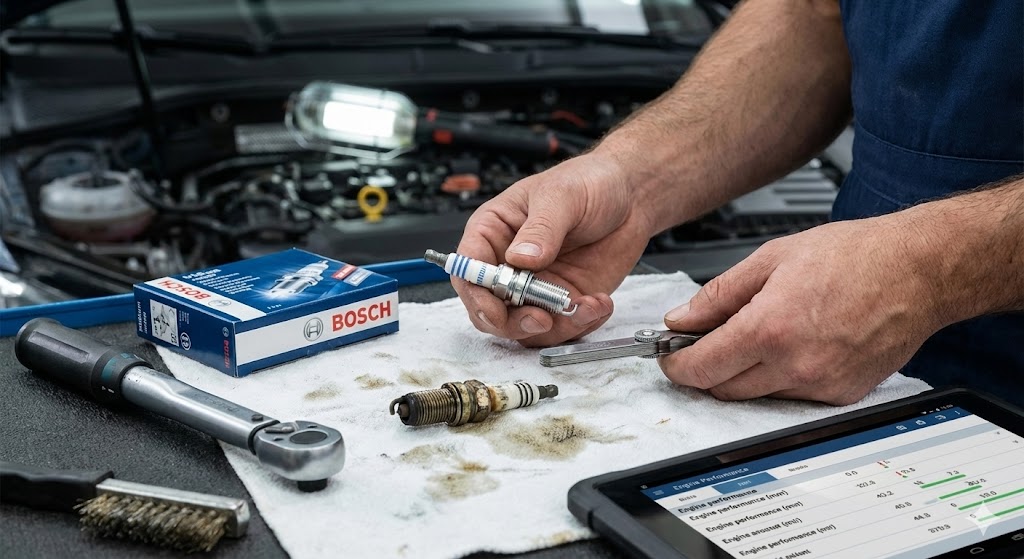
Before starting, gather these essential tools for spark plug care:
- Spark plug socket and wrench.
- Compressed air for cleaning debris.
- Wire brush or spark plug cleaner.
- Gap gauge to adjust the electrode gap.
- Anti-seize lubricant (optional).
- Dielectric grease for moisture protection.
Step-by-Step Maintenance Guide for Bosch Spark Plugs
1. Remove and Inspect Your Bosch Spark Plugs
- Ensure Safety First: Turn off the engine and disconnect the battery to prevent electrical accidents.
- Carefully Remove Spark Plugs: Use a spark plug socket to remove one spark plug at a time.
- Inspect for Wear and Deposits: Look for carbon buildup, oil fouling, or worn electrodes.
2. Clean Your Bosch Spark Plugs
Cleaning restores efficiency and prevents misfires:
- Wire Brush Method: Use a wire brush to remove carbon deposits gently.
- Compressed Air: Blow out dust and debris for a thorough clean.
- Specialized Cleaner: For stubborn dirt, use a spark plug cleaning solution.
3. Adjust the Spark Plug Gap
Proper gap adjustment ensures efficient combustion:
- Measure the Gap: Use a gap gauge to check the distance between the electrodes.
- Adjust as Needed: Bend the ground electrode carefully to achieve the manufacturer’s recommended gap.
4. Apply Protective Lubricants
- Apply a thin layer of dielectric grease to the spark plug boots to prevent moisture and corrosion.
- If recommended, use anti-seize lubricant on the threads for easy removal during future maintenance.
5. Reinstall and Tighten Spark Plugs
- Hand-thread the spark plugs to avoid cross-threading.
- Tighten with a torque wrench, adhering to the specifications provided by Bosch or your vehicle’s manual.
Maintenance Schedule for Bosch Spark Plugs
Stick to a maintenance schedule to maximize performance:
- Every 10,000–15,000 km (6,000–9,000 miles): Inspect and clean your spark plugs.
- Every 30,000–60,000 km (18,000–37,000 miles): Replace your Bosch spark plugs to maintain engine efficiency.
Tips to Extend the Life of Bosch Spark Plugs
- Use Premium Fuel: Reduces carbon deposits on the spark plug electrodes.
- Check Engine Health: Address ignition timing issues or clogged fuel injectors promptly.
- Drive Smart: Avoid excessive idling and abrupt acceleration to reduce wear on your spark plugs.
When to Replace Your Bosch Spark Plugs
No matter how well you maintain them, spark plugs wear out over time. Replace them if you notice:
- Worn Electrodes: Rounded or damaged electrode edges can hinder proper ignition.
- Cracked Insulator: Physical damage can lead to misfires.
- Persistent Performance Issues: If cleaning and adjusting don’t resolve problems, new spark plugs may be necessary.
Why Choose Bosch Spark Plugs for Your Car
Bosch spark plugs are engineered for precision, durability, and performance. Whether you’re driving a sedan, SUV, or sports car, Bosch’s cutting-edge technology ensures reliable starts, smooth acceleration, and fuel efficiency. With proper care, these spark plugs deliver consistent performance for tens of thousands of kilometers.
Conclusion
Maintaining Bosch spark plugs doesn’t have to be complicated. By following these simple steps, you can enhance your car’s performance, improve fuel economy, and avoid costly engine repairs. Regular inspections and cleanings ensure your Bosch spark plugs provide reliable ignition and long-lasting durability. Invest in proper care today for a smoother and more efficient driving experience tomorrow.
Q&A: Common Bosch Spark Plug Maintenance Questions
Q: How often should I realistically check my Bosch Spark Plugs?
A: For standard nickel-copper plugs, we recommend an inspection every 30,000 km. However, if you are using Bosch Iridium or Platinum plugs, they are designed for longevity and typically only require inspection every 80,000 to 100,000 km. If you notice a sudden drop in fuel economy, check them immediately.
Q: Can I clean my spark plugs to restore performance?
A: While you can gently wipe the insulator with a clean cloth, we strongly advise against using wire brushes or abrasive sandblasting on modern Bosch plugs. These methods can damage the precious metal plating (Iridium/Platinum) and the specialized ceramic coating, leading to premature failure.
Q: Does the "gap" between the electrodes really matter?
A: Yes, it is critical. The gap determines the spark's intensity. While most Bosch plugs come factory-preset, they can be bumped during shipping. Always check the gap against your vehicle's specific manual requirements before installation to prevent engine misfires.
Q: What does the color of the spark plug tip tell me about my engine?
A: A healthy plug should have a light tan or gray color. If the tip is black and oily, your engine may be leaking oil. If it is white and blistered, your engine is likely running too hot or "lean."
Summary Table: Bosch Spark Plug Maintenance & Diagnostic Guide
| Maintenance Indicator | Symptom/Condition | Recommended Action | Benefit |
| Visual Inspection | Light tan/gray deposits | No action needed. | Optimal fuel combustion. |
| Fouling | Black, dry carbon soot | Check air filter or fuel injectors. | Prevents rough idling. |
| Gap Growth | Wide gap due to wear | Replace plug (do not re-gap worn plugs). | Restores quick engine starting. |
| Oily Deposits | Wet, black shiny coating | Check valve seals or piston rings. | Prevents engine misfires. |
| Heat Damage | Melted electrodes/blistered ceramic | Check cooling system or fuel grade. | Prevents catastrophic engine damage. |
Pro-Tip for Egyptian Drivers: Given the high heat and dust levels in cities like Cairo, spark plugs can accumulate deposits faster than in cooler climates. We recommend checking your plugs every time you perform a major oil change to ensure your ignition system stays at peak efficiency.
Ready for an upgrade? Browse our full collection of Genuine Bosch Spark Plugs here.
Further Readings:
Bosch Spark Plugs: Navigating a Changing Supply Chain
How to Maintain Your Bosch Spark Plugs for Optimal Performance
Understanding Spark Plug Heat Range: How It Affects Your Engine’s Performance