
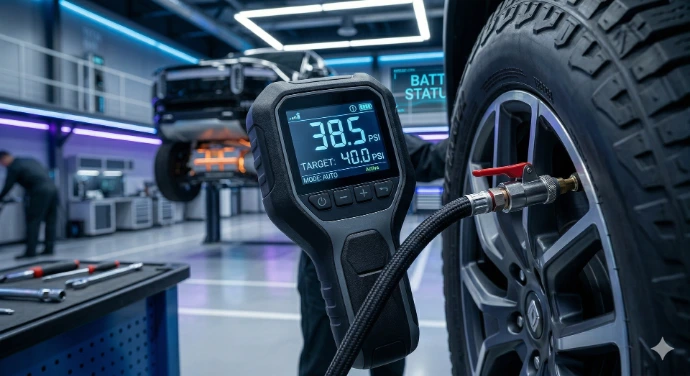
Digital Heavy Duty Tire Inflator
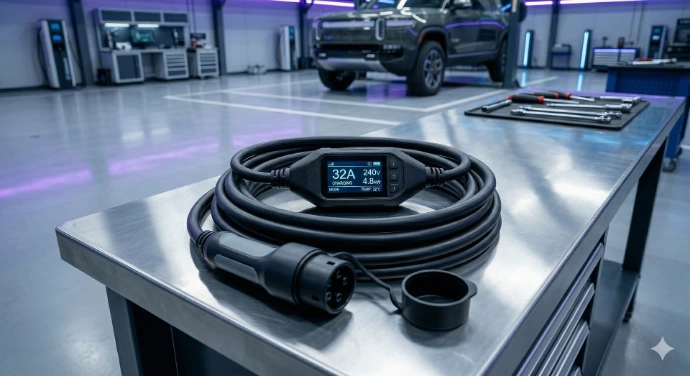
Level 2 Portable EV Charger
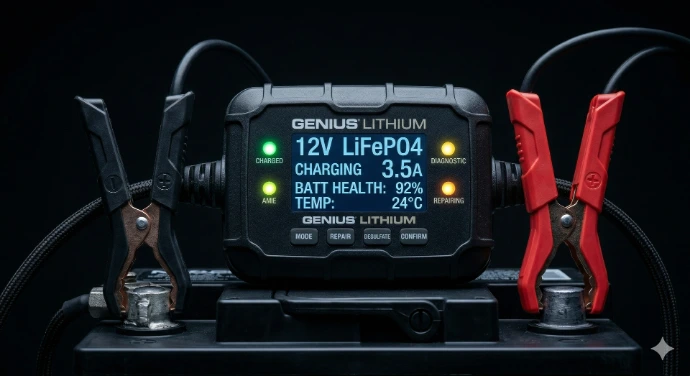
12V Battery Tester and Maintainer
The United States car parc is undergoing a monumental, technology-driven evolution. While internal combustion engine (ICE) vehicles still make up nearly 95% of the total vehicles on the road, the adoption of Alternative Fuel Vehicles (AFVs) is accelerating at a pace that is fundamentally reshaping the automotive industry. As the U.S. vehicle fleet hits a record-breaking average age of 12.8 years, owners are transitioning from a 'replace' mindset to a 'preserve' mindset, especially when moving toward hybrid and electric platforms.
The average age of a battery electric vehicle (BEV) currently sits at a very young 3.7 years. However, experts project that by 2028, EVs and hybrids could represent as much as 15% of all vehicles on the road. As these vehicles age and exit their initial factory warranty periods, a new reality is setting in for consumers and repair shops alike: electric cars are not "maintenance-free."
The future of automotive repair is highly specialized, moving away from traditional oil changes and focusing heavily on software updates, complex thermal management, and unique wear patterns. Here is your comprehensive guide to the future of car maintenance, with a specific focus on the unique challenges surrounding EV tires and batteries.
1. The Heavy Burden on Tires
One of the most persistent myths about electric vehicles is that they require almost no upkeep. In reality, EV-specific services like tire alignments and replacements are booming.
Because electric vehicles do not have a traditional engine, their massive lithium-ion battery packs make them significantly heavier than comparable gas-powered cars. This extreme weight, combined with the instant, massive torque delivered by electric motors, places an incredible amount of stress on the rubber. Consequently, EVs chew through tire tread at a much faster rate. This highlights the need for a strict proactive maintenance strategy to ensure these expensive heavy-duty tires reach their full lifespan through meticulous rotations and alignments.
To combat this accelerated wear, routine maintenance for EVs must include meticulous tire rotations and frequent wheel alignments to offset the heavy weight distribution. Furthermore, auto shops must now stock specialized, heavy-duty tires explicitly designed with stronger sidewalls to support the unique physics of an electric vehicle. (Protect your EV's tread life by keeping your tires perfectly inflated with a Heavy Duty Digital Tire Inflator from Amazon USA.)
2. Battery Health: Beyond the High-Voltage Pack
When discussing the future of cars, the battery is the undisputed focal point. Repairing and maintaining these vehicles requires deep expertise in high-voltage systems and battery chemistry.
- High-Voltage Maintenance: Routine EV and hybrid servicing includes rigorous battery health inspections, encompassing voltage testing and the maintenance of complex thermal management systems. Mechanics must ensure the liquid cooling systems that prevent battery overheating are functioning optimally. They also must perform regular software updates to maintain overall battery management efficiency.
- The 12-Volt Vulnerability: Ironically, the most common failure point is the 12-volt battery. We've seen this play out in high-tech hybrids like the Ford F-150 PowerBoost, where parasitic draws can immobilize the vehicle despite having a massive high-voltage pack. Modern vehicles are essentially rolling computers, featuring dozens of connected modules that draw parasitic power even when the car is parked. If the 12V battery drains, the driver may be entirely locked out of the vehicle, as there are often no physical key slots, and the electronic door releases will fail.
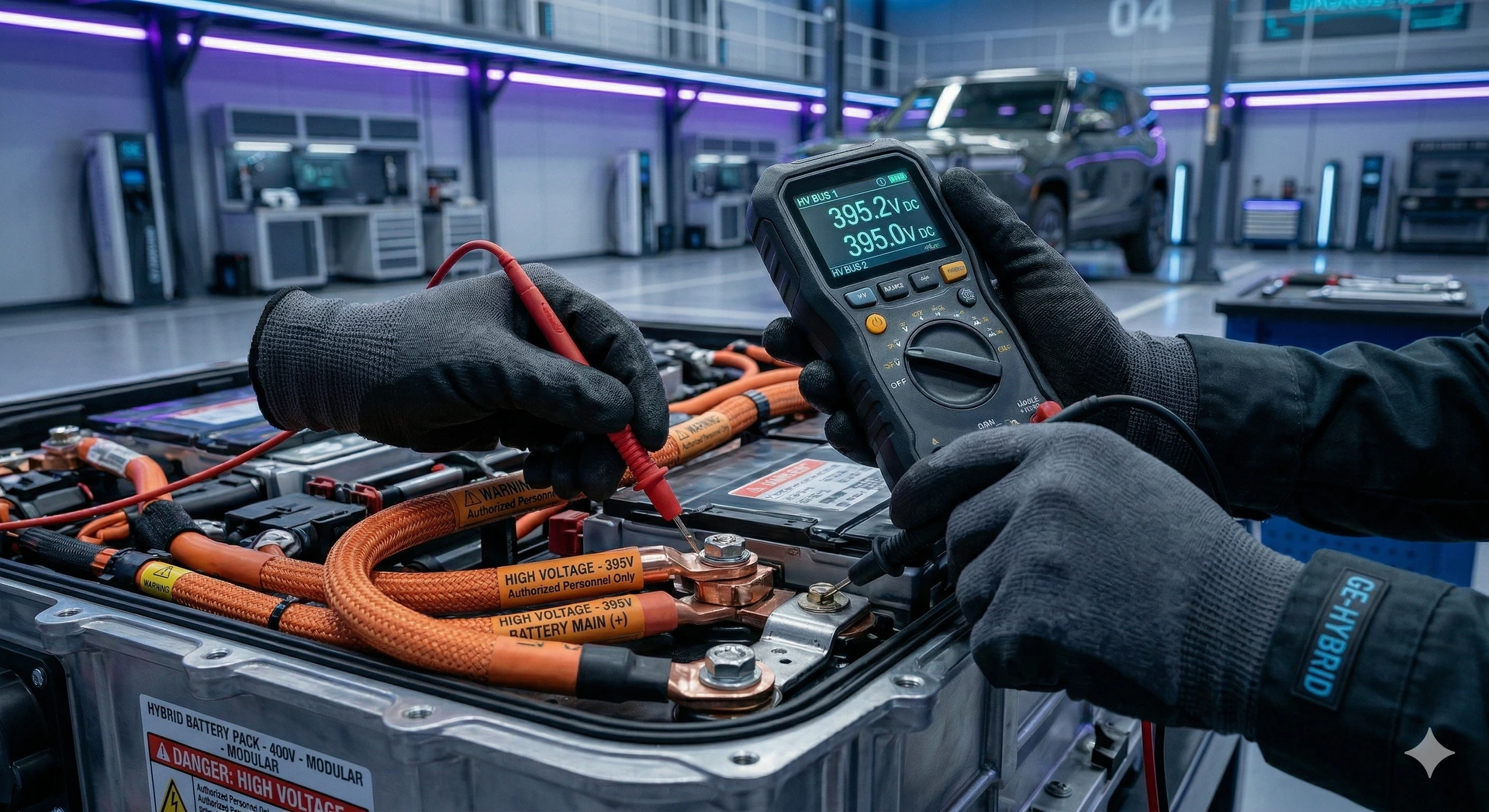
3. Total Cost of Repair (TCOR) and Complexity
As the automotive fleet evolves, the sheer complexity of EVs and hybrids is drastically inflating the Total Cost of Repair (TCOR) and elongating the time vehicles spend in the shop.
- abor Rates and Times: EVs and hybrids are generally much more expensive to repair due to the need for specialized parts and highly trained technicians. In 2024, labor rates for EV repairs were approximately 30% higher than for ICE vehicles. Furthermore, EV repairs required nearly three more labor hours than hybrid repairs, and four more hours than traditional ICE vehicle repairs.
- Parts Density: When an EV is involved in a collision, the teardown is extensive. Data shows that EVs averaged 22 parts replaced per repair, compared to 18.5 parts for hybrids and only 15.9 parts for ICE vehicles.
- Supply Chain Scarcity: The future car parc is heavily dependent on supply chain dynamics. Sourcing specialized parts for newly introduced EV models can be incredibly difficult, elongating cycle times and keeping vehicles stuck in repair bays for weeks. When parts are scarce or repair costs simply outstrip the vehicle's value, highly advanced cars are increasingly being deemed total losses by insurance carriers.
4. Predictive Maintenance and AI Telematics
To combat rising repair costs, the automotive industry is shifting away from reactive repairs toward predictive maintenance.
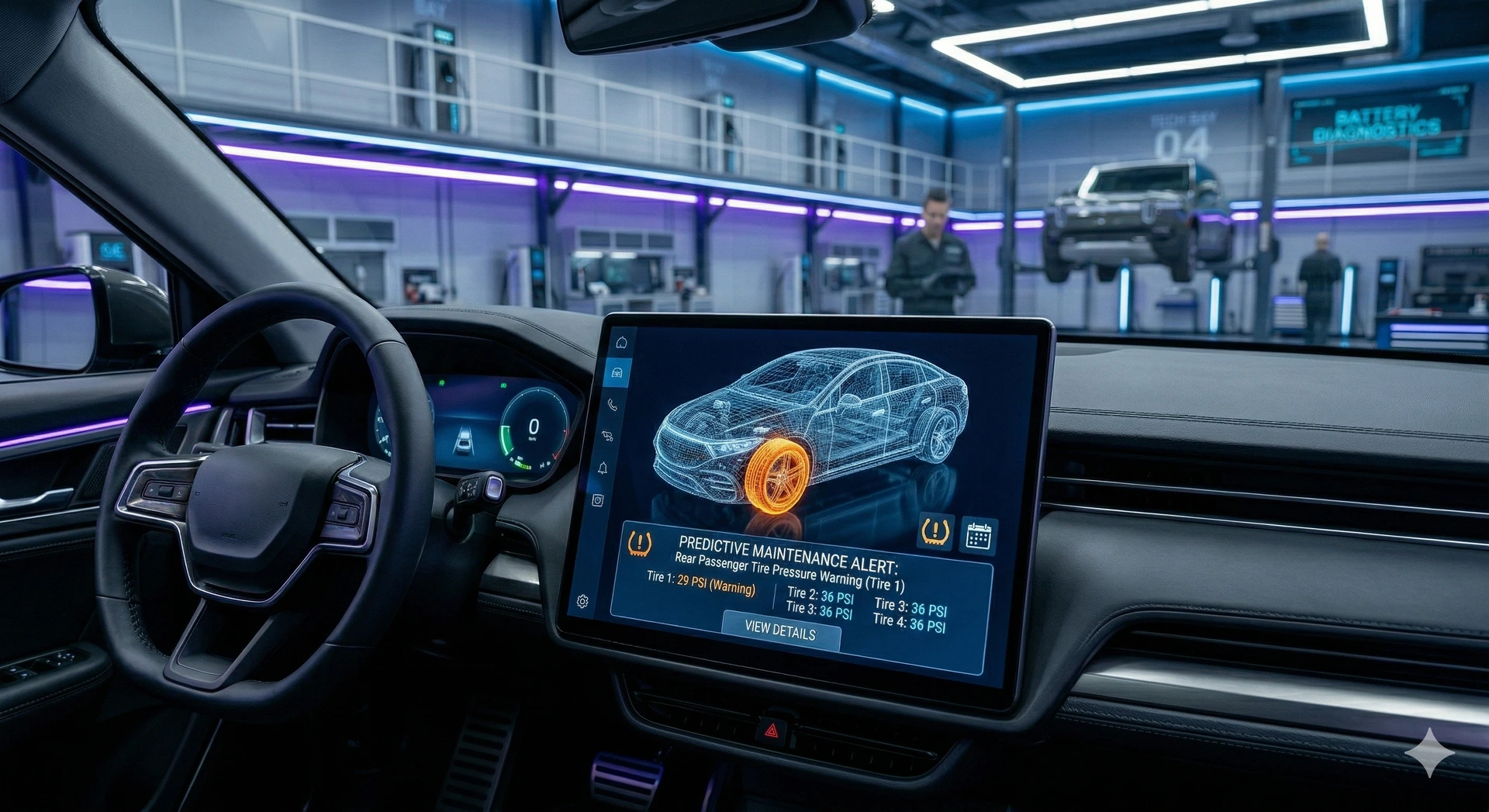
Instead of waiting for a battery to fail or a tire to blow out, predictive maintenance uses real-time data, Internet of Things (IoT) sensors, and artificial intelligence to monitor the health of vehicle components. Modern vehicles can now analyze data from tire monitors, engine sensors, and onboard computers to send alerts the moment performance begins to decline.
For example, an AI algorithm can analyze your driving habits and local weather conditions to recommend the exact optimal time to replace your brake pads or condition your hybrid battery, long before safety is compromised. This technological leap minimizes unnecessary repairs, prevents costly roadside breakdowns, and ensures the vehicle operates at peak efficiency.
Conclusion: Adapting to the New Era
The era of the simple, mechanical-only tune-up is officially behind us. The integration of high-voltage battery packs, complex electric powertrains, and AI-driven telematics means that the future of automotive maintenance is a highly specialized science.
Whether you drive a traditional gas-powered truck, a fuel-sipping hybrid, or a fully electric crossover, staying ahead of these trends is crucial. By embracing predictive data alerts, prioritizing frequent tire alignments to handle battery weight, and utilizing qualified technicians trained in high-voltage systems, you can safely navigate the complex future of automotive care.
Frequently Asked Questions (Q&A)
Q: Do electric vehicles really need maintenance if they don't have an engine? A: Yes. While they lack traditional engines and do not require oil changes, EVs still require routine care. This includes software updates, brake fluid checks, battery thermal management inspections, and very frequent tire rotations to offset the extreme weight of the battery pack.
Q: Why do EVs wear out tires so quickly? A: Electric vehicles are significantly heavier than traditional cars due to their massive lithium-ion battery packs. This extra weight, combined with the instant torque of electric motors, places intense stress on the tires, requiring specialized heavy-duty rubber and frequent wheel alignments.
Q: Are electric cars more expensive to repair after an accident? A: Generally, yes. In 2024, labor rates for EV repairs were roughly 30% higher than for gas-powered vehicles. EVs also require more labor hours and have a higher average number of parts replaced per repair (22 parts for an EV versus 15.9 for an ICE vehicle) due to their complex electrical architectures.
Q: What is predictive car maintenance? A: Predictive maintenance utilizes real-time data from IoT sensors and artificial intelligence to monitor the health of vehicle components. The system can predict failures and send alerts to the driver or mechanic before a part (like a battery or brake pad) actually breaks down.
Q: How often does a hybrid battery need to be serviced? A: Most hybrid vehicles require routine maintenance every 6 to 12 months. This includes specialized services like battery testing and conditioning, inverter repairs, and inspecting the regenerative braking systems to ensure maximum energy efficiency.
Recommended Amazon USA Products for the Future of Maintenance
Equip your garage with these advanced tools designed to help you monitor and maintain the complex systems of modern electric and hybrid vehicles.
Level 2 Portable EV Charger (NEMA 14-50) (An essential upgrade for faster at-home or on-the-go electric vehicle charging, ensuring your main battery stays properly conditioned).
AstroAI Digital Tire Pressure Gauge and Air Compressor (Frequent tire pressure monitoring is the absolute best way to combat the accelerated tire wear caused by heavy EV battery packs).
NOCO Genius Smart 12V Battery Maintainer (Modern vehicles draw heavy parasitic loads while parked; use a smart maintainer to prevent your 12V battery from dying and locking you out of the car).
BlueDriver Bluetooth Pro OBD2 Scan Tool (A convenient, wireless telematics tool to read diagnostic codes and access live sensor data directly on your smartphone).
Innova 5610 Bidirectional Diagnostic Scanner (A fantastic mid-range diagnostic tool that allows intermediate DIYers to perform active system tests, read advanced codes, and perform hybrid battery cell checks).