
If you are navigating Cairo’s bumper-to-bumper Ring Road traffic during a 42°C August heatwave, the Nissan Magnite 1.0L Turbo CVT in Egypt is either a masterclass in modern fuel efficiency or a ticking thermal headache waiting to happen.
The combination of a downsized 3-cylinder turbocharged engine (code-named HRA0 / HR10DET) and Nissan’s X-Tronic Continuously Variable Transmission (CVT) yields solid official numbers—100 horsepower, up to 160 Nm of torque, and a thrifty fuel economy around 5.6 to 6.3 L/100 km. However, the real test isn't on paper; it’s how this lightweight subcompact crossover manages extreme ambient heat, low-speed boost spikes, and continuous transmission fluid shearing over thousands of Egyptian kilometers.
Key Takeaways
| Feature / Component | Technical Specification | Egyptian Operational Reality | Critical Maintenance Rule |
| Engine Architecture | 1.0L 3-Cylinder Turbocharged (HRA0 / HR10DET) | High thermal heat load under low-speed boost in heavy traffic | Must use full synthetic 0W-20 or 5W-30 API SP / ILSAC GF-6 oil |
| Bore Technology | Mirror Bore Coating (Nissan GT-R Tech) | Reduces internal friction; sensitive to thermal breakdown | Strictly adhere to 5,000–7,500 km oil change intervals in summer |
| Transmission Type | X-Tronic CVT with D-Step Logic | Smooth ratio changes; prone to fluid overheating if abused | Flush CVT fluid every 30,000–40,000 km using genuine NS-3 spec |
| Cooling & Thermal Stress | Intercooled Turbochargers & Integrated Heat Exchanger | Extreme thermal cycling during prolonged Cairo traffic jams | Never shut down engine immediately after high-speed highway runs |
The HRA0 1.0L Turbo Engine: GT-R Tech in a Subcompact Crossover
Under the hood of the Egyptian-spec Nissan Magnite sits an engine engineered through the Renault-Nissan Alliance alliance. The 1.0-liter 3-cylinder turbocharged HRA0 unit generates 100 HP at 5,000 RPM and peak torque of 152 Nm to 160 Nm starting as low as 2,200 RPM. What most drivers do not realize is that this subcompact motor incorporates cylinder bore spray coating technology directly derived from the flagship Nissan GT-R.
[Engine Cylinder Wall] ---> [0.2mm Plasma Spray Coating] ---> [Reduced Friction & Enhanced Heat Transfer]
Instead of pressing heavy cast-iron liners into the aluminum cylinder block, Nissan applies a mirror-smooth 0.2 mm molten iron coating via plasma spray. This design dramatically cuts internal friction and improves thermal conductivity. However, in hot climates like Egypt, this ultra-thin thermal barrier places immense reliance on the protective film provided by your engine oil.
Why Turbocharger Heat Demands Premium Synthetic Lubricants
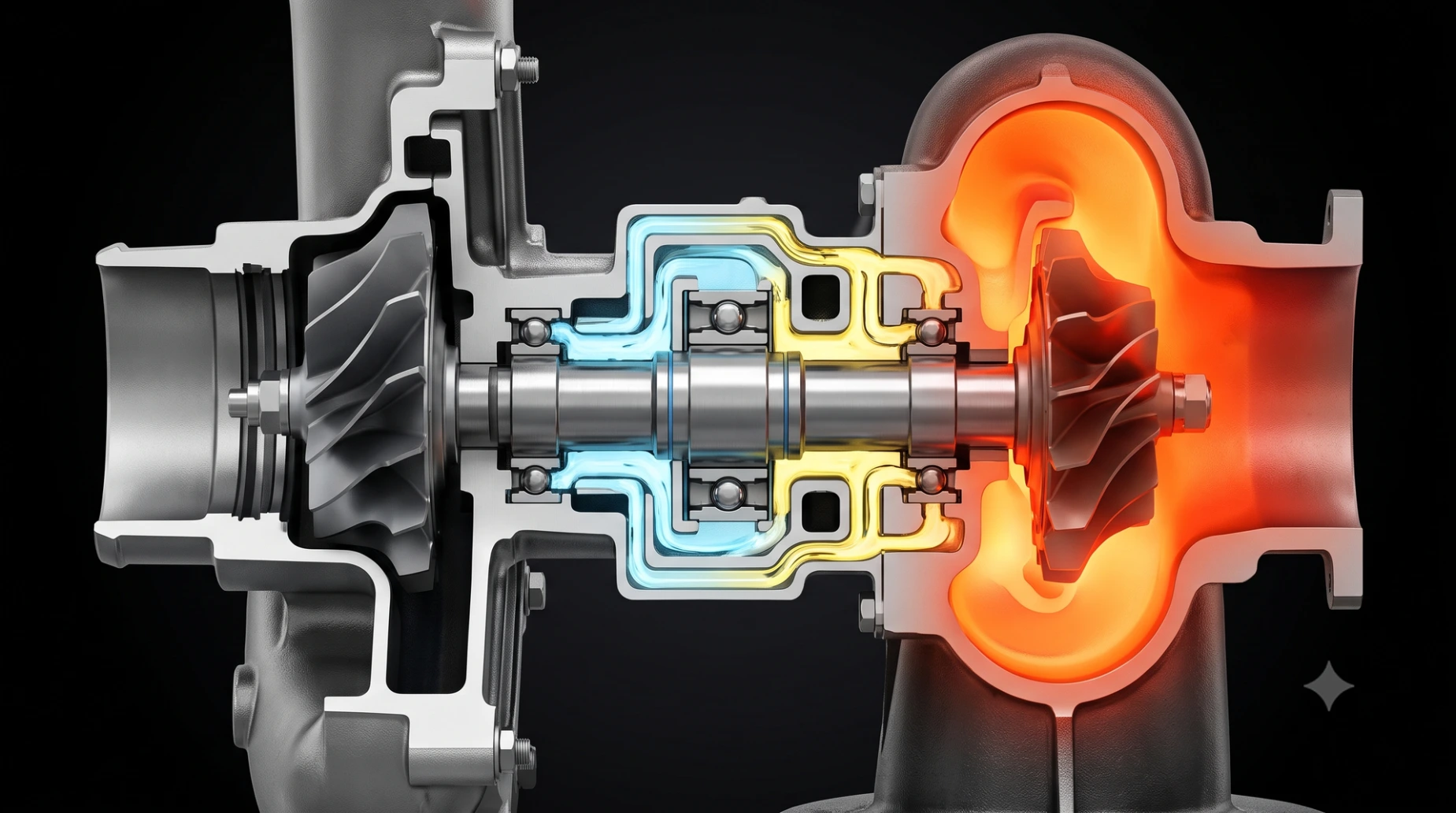
The turbocharger on the Magnite spins in excess of 150,000 RPM while driven by scorching exhaust gases. When creeping along in traffic, airflow through the front intercooler drops to near zero, causing heat to soak into the turbo housing and oil feed lines.
The turbo relies entirely on engine oil for shaft cooling and hydrodynamic bearing lubrication.
Conventional or semi-synthetic oils degrade rapidly at extreme turbo temperatures, forming carbon deposits (coking) inside the oil lines.
Using an incorrect oil weight or standard mineral oil can starve the turbo bearing, leading to catastrophic failure.
To prevent premature turbo failure, Magnite owners must stick strictly to high-temp synthetic lubricants meeting API SP or ILSAC GF-6 standards, which are specifically engineered to stop Low-Speed Pre-Ignition (LSPI) and resist oil coking. You can review how modern lubricants handle extreme boost in our guide on why you must use full synthetic oil for your turbo engine.
Decoding the X-Tronic CVT: Smoothness vs. Egyptian Traffic Realities
The transmission mated to this 1.0L turbo is Nissan’s signature X-Tronic Continuously Variable Transmission. Unlike traditional step-torque automatics with fixed planetary gears, the CVT uses two steel pulleys connected by a high-strength steel belt. By continuously altering the diameter of these pulleys, the transmission maintains the engine in its optimal torque band.
To eliminate the artificial "rubber-band feeling" during heavy acceleration, Nissan programmed D-Step Logic into the Transmission Control Module (TCM). This simulates gear shifts under wide-open throttle, giving a familiar step-shift feel without losing CVT efficiency.
The Overheating Trap: Why CVT Fluid Breaks Down in Cairo
While the X-Tronic CVT provides impressive urban fuel efficiency, its primary enemy is friction-generated heat. The high hydraulic pressure required to clamp the steel belt against the smooth steel pulleys creates substantial fluid friction.
When driving in 40°C+ temperatures across Alexandria or Cairo, transmission fluid temperatures quickly climb toward critical thresholds.
Fluid Degradation: Standard CVT fluid deteriorates exponentially once operating temperatures exceed 90°C.
Belt Slippage & Micro-Shudder: As fluid viscosity breaks down under heat, hydraulic pressure drops, causing micro-slippage between the pulley and belt.
Limp Mode Trigger: If the TCM detects prolonged fluid temperatures over 100°C, it triggers a protective "limp mode," limiting power output and locking acceleration until the system cools down.
If you begin hearing a high-pitched whining noise from the engine bay during highway cruising, your transmission fluid is running dangerously hot. Owners interested in protecting their continuous variable transmissions can read our complete breakdown on Nissan CVT survival strategies and fluid maintenance.
Essential Maintenance Protocols for Egyptian Magnite Owners
To maximize the service life of your Nissan Magnite 1.0L Turbo CVT in local conditions, standard factory schedules designed for temperate climates must be adapted for high ambient heat and severe duty usage.
1. Engine Oil Replacement Interval
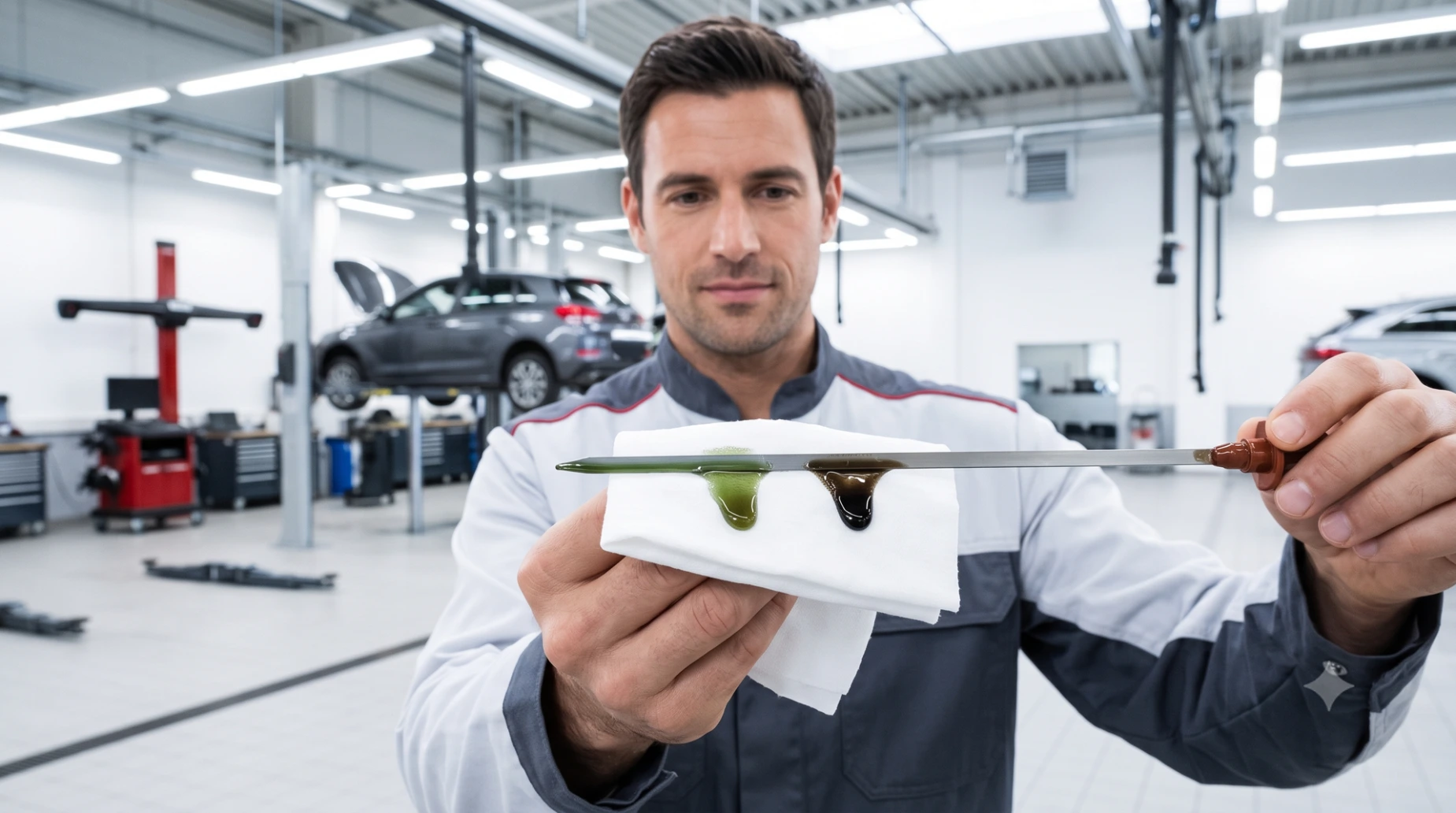
Do not stretch oil changes to 10,000 kilometers in summer. Stop-and-go driving mixed with severe ambient heat accelerates fuel dilution and thermal shear in turbocharged engines.
Recommended Viscosity: 0W-20 or 5W-30 Full Synthetic (API SP / ILSAC GF-6).
Interval: Every 5,000 to 7,500 kilometers max.
For a comprehensive look at choosing high-temperature motor oils, consult our guide on the best motor oils for turbocharged engines.
2. CVT Transmission Fluid Flush
Forget the myth of "lifetime transmission fluid." In hot climates, CVT fluid is a wear item that must be serviced.
Specification: Nissan NS-3 CVT Fluid compliant synthetics.
Interval: Every 30,000 to 40,000 kilometers. Never exceed 50,000 km without a drain and fill.
3. Turbo Cool-Down Protocol
After hard highway driving or prolonged mountain climbs, never turn off the engine immediately. Allow the engine to idle for 30 to 60 seconds before shutting off the ignition. This keeps oil circulating through the hot turbo bearing, preventing oil coking and shaft scoring. Learn more in our detailed article on whether modern turbochargers still need cool-down idling.
FAQ
What type of engine oil does the Nissan Magnite 1.0L Turbo require in Egypt?
The 1.0L HRA0 Turbo engine requires full synthetic 0W-20 or 5W-30 engine oil meeting API SP or ILSAC GF-6 specifications. Using non-synthetic or outdated specification oils can lead to low-speed pre-ignition (LSPI) and turbocharger bearing damage due to excessive heat buildup.
How often should I change the CVT fluid in my Nissan Magnite?
In Egypt's hot climate and stop-and-go traffic conditions, Nissan Magnite CVT fluid should be replaced every 30,000 to 40,000 kilometers using high-grade Nissan NS-3 compliant fluid. Relying on "lifetime" fluid claims under extreme severe-duty driving can result in belt slippage and early transmission failure.
Why does my Nissan Magnite CVT feel sluggish or whine when driving in hot weather?
A whining noise or sluggish response from a CVT typically indicates that the transmission fluid is overheating or deteriorating under heavy load. When temperatures spike, the hydraulic fluid loses viscosity, causing reduced pulley pressure and triggering protective computer power limiting (limp mode).
Can I use 92 Octane petrol for the Nissan Magnite 1.0L Turbo in Egypt?
While the engine's ECU can adapt to 92 Octane fuel by retarding ignition timing, using 95 Octane fuel is strongly recommended for turbocharged engines in high heat. Higher octane prevents engine knock (detonation), maintains rated performance, and ensures maximum fuel efficiency.
Written by Wassim Bedwani — CEO & Founder, GE for Trading. Expert in Automotive Lubricants and Part Distribution.
Don't Miss Our Next Technical Guide
Sign up for expert lubricant breakdowns, machinery maintenance tips, and spare parts sizing guides.